Is Classic Travertine tread as durable as granite or basalt treads?
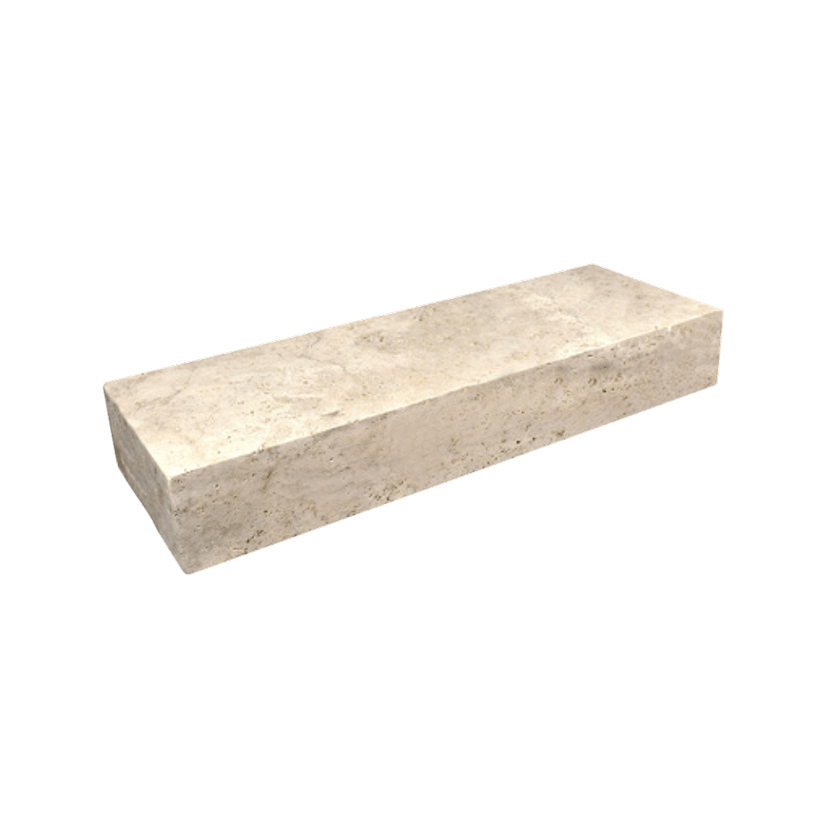
Travertine is naturally softer than granite or basalt, with compressive strength of 90–113 MPa compared to 170 MPa or higher for our granite treads. It performs well for its intended warm, classic aesthetic but suits lower-impact applications better than the heaviest commercial staircases.
Should Classic Travertine treads be filled or left unfilled?
Both options are available. Filled travertine gives a smoother, more finished surface that's easier to clean, while unfilled (open-pore) travertine shows more natural texture and character. The choice is largely aesthetic, though filled surfaces are generally easier to maintain on frequently used stairs.
What finish provides the best slip resistance for Classic Travertine stair treads?
A tumbled finish is naturally slip-resistant and the most common recommendation for stair treads specifically, since it creates texture without requiring additional treatment. Honed, polished, and brushed finishes are also available for lower-traffic or interior applications with different aesthetic goals.
Is Classic Travertine suitable for exterior staircases and pool surrounds?
Yes, with proper sealing. Travertine's natural porosity (water absorption of 0.73–0.89%) means sealing is recommended for exterior stair treads and pool surrounds to protect against staining and support long-term frost resistance in colder climates.
What gives Classic Travertine its distinctive banded texture?
The banded texture and subtle tonal variation come from travertine's natural formation process, which differs from granite or basalt's volcanic origin. This gives each tread genuine character reflecting centuries-old geological deposits, a look that's difficult to replicate in manufactured alternatives.