

Granite Stone: The Complete Guide to Properties, Uses, and Buying the Right Finish
TL;DR: Granite is a hard, coarse-grained igneous rock known for its wide range of colors and patterns, high compressive strength (Mohs hardness 6–7), and very low water absorption. It is used for countertops, pavers, cladding, curbing, monuments, and flooring in both residential and commercial projects. Installed costs vary widely by application, roughly $19 to $32 per square foot for pavers and $55 to $175+ per square foot for countertops, depending on color rarity and finish. Below, this guide breaks down granite’s properties, uses, finishes, and cost so you can determine what you actually need. Explore our granite finish gallery or contact our team when you’re ready for a quote.
What Is Granite Stone?
Granite is an igneous rock formed by the slow cooling of magma below the earth’s surface, creating a granular texture of quartz, feldspar, and mica. The mineral composition of granite, plus its toughness and polishable surface, makes it a popular choice for construction and surfacing materials. Builders and architects value granite for its strength, variety of colors, and versatility.
How Is Granite Rock Formed?
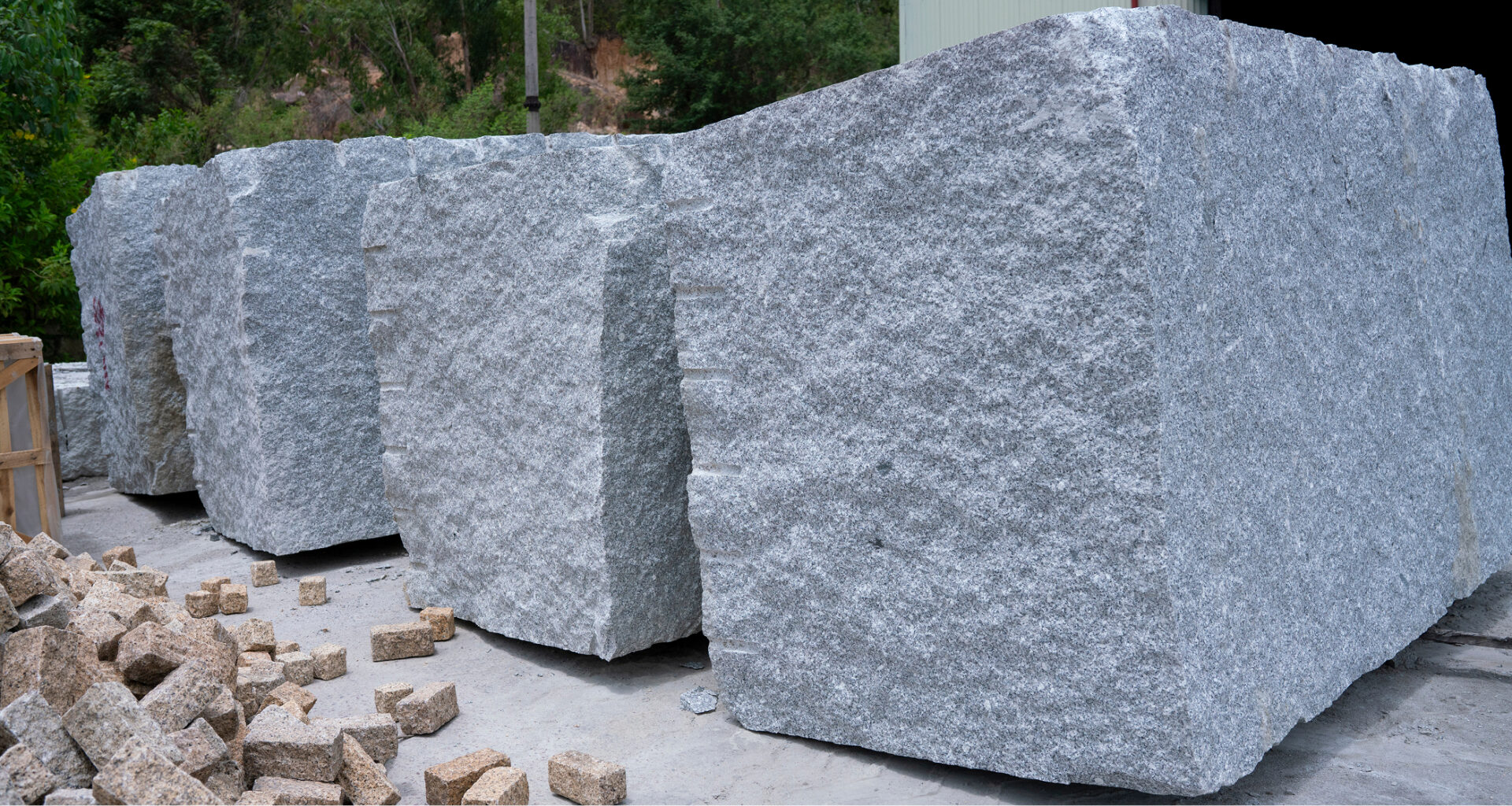
Granite rock is formed by magma moving underground and cooling slowly. This slow process allows the minerals to crystallize and form large structures, resulting in a coarse-grained texture. The texture is different from rocks cooled rapidly from lava, such as basalt. As a result, granite has a granular structure with visible mineral content and a speckled pattern.
What Are the Colors and Patterns of Granite?
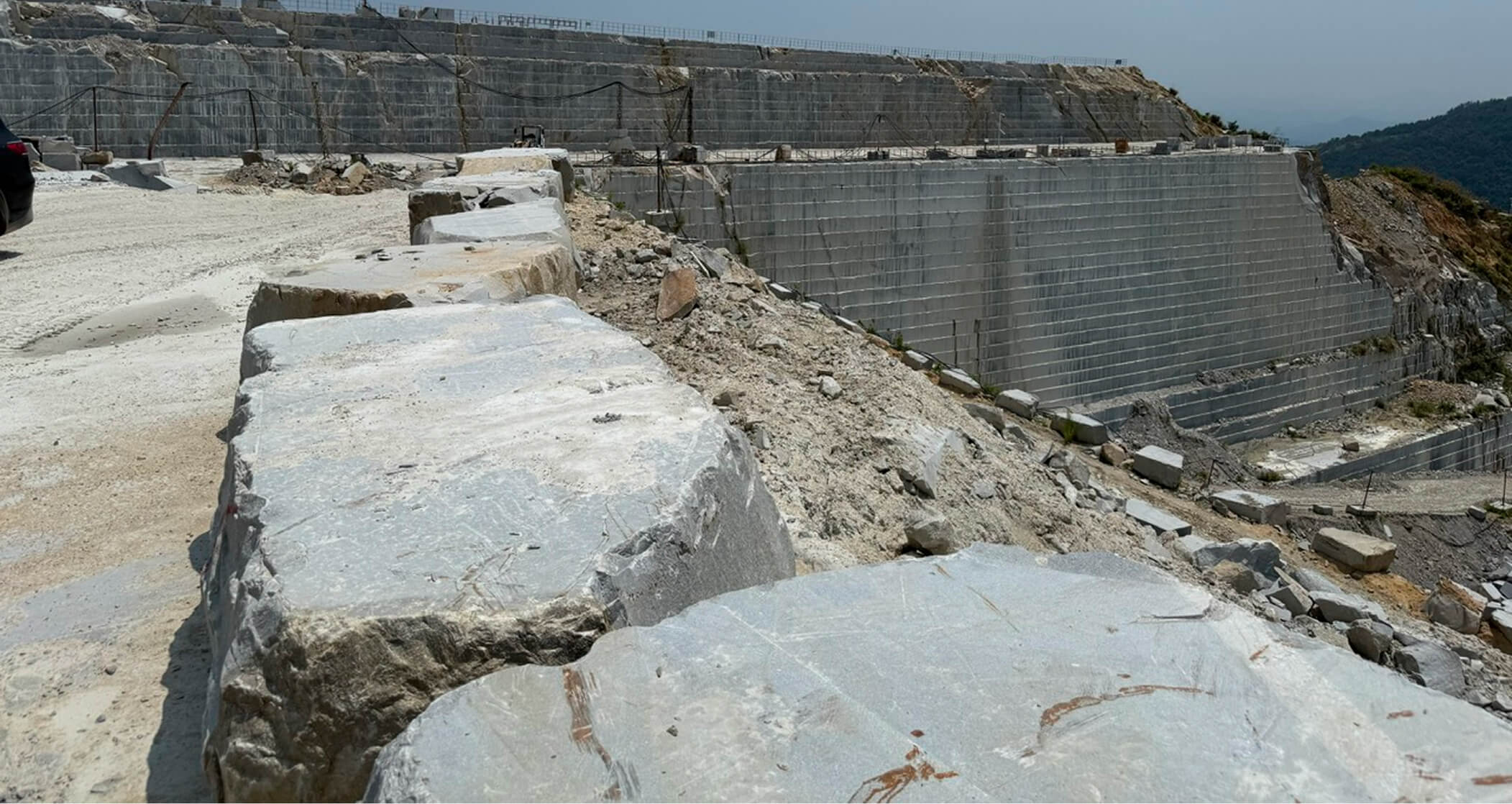
The wide range of colors in granite is granite’s most significant virtue over other building materials. A mix of quartz, feldspar, and other trace minerals determines the color of each slab of granite rock. While each color option can appear in different patterns, the most popular colors are the neutral tones of gray and black. Some other common colors include white, pink, red, gold, blue, and green. Additionally, each color may have a range of pattern variations, from strongly defined veins to a more evenly distributed speckled pattern. The most common patterns include standard options that can be found in multiple quarries, and rare patterns that are worth the higher price tag.
What Are the Colors and Patterns of Granite?
Granite’s performance numbers explain its long history as a structural and decorative stone. As with any natural stone, exact figures vary by quarry, but the following are the typical values used in dimension-stone testing:
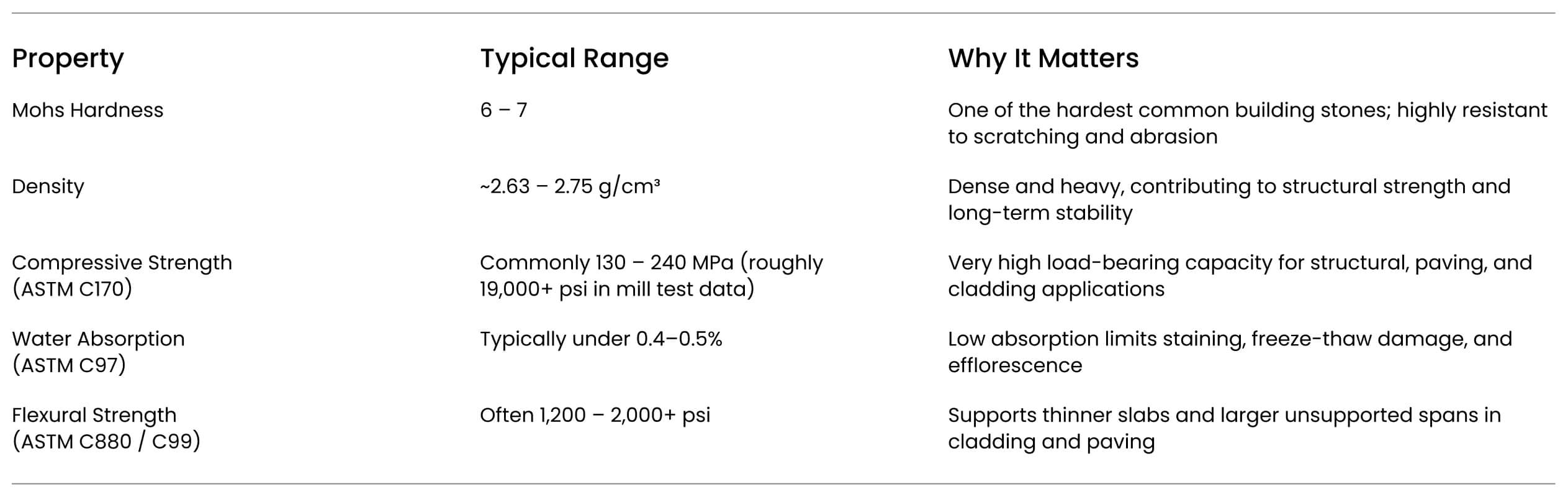
These figures are typical industry ranges from ASTM-style dimension-stone testing, governed for granite specifically by ASTM C615, and are not guaranteed. The actual performance depends on the specific quarry block and finish. For any project with strict engineering specifications, mill-certified test data should be requested rather than relying on general ranges like these.
What about freeze-thaw performance? Because dense granite absorbs so little water, it holds up well through repeated freeze-thaw cycles, making it a dependable choice for driveways, steps, and cladding throughout the northern U.S. and Canada.
How Does Granite Compare to Basalt and Marble?
These three stones get compared constantly, since they solve overlapping problems but look and perform quite differently:
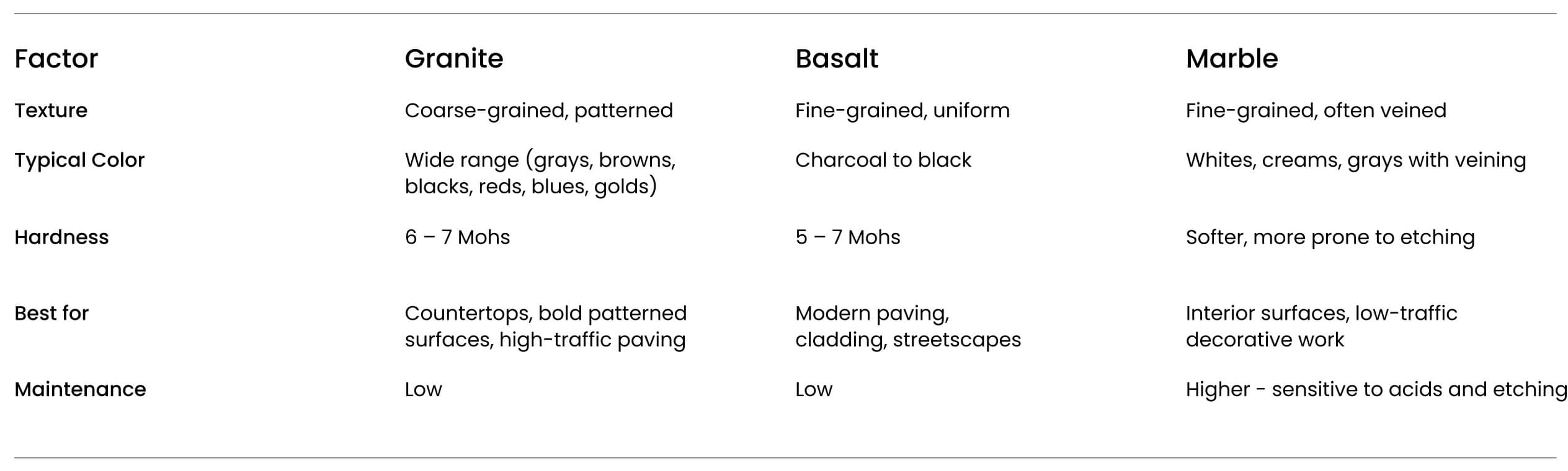
For those who want a bold, patterned natural stone with real visual movement, the kind that makes a kitchen island or a lobby floor feel one-of-a-kind granite is usually the better fit. For those who want a clean, understated, monochromatic surface built for heavy exterior use, basalt tends to win; this trade-off is covered directly in Basalt vs. Granite Pavers: Which Is Better for Heavy Traffic Areas? Marble, meanwhile, offers a softer, more luxurious look but is more vulnerable to acidic staining and etching, so it is generally reserved for lower-traffic interior applications.
What Are the Common Uses for Granite Stone?
What Is Granite Used for in Countertops and Interior Surfaces?
Granite countertops remain one of the most popular applications for the stone, prized for their durability, heat resistance, and enormous range of colors and patterns. Because no two slabs look exactly alike, granite countertops also give kitchens and bathrooms a genuinely one-of-a-kind surface that engineered materials cannot fully replicate.
What Is Granite Used for in Pavers, Curbing, and Driveways?
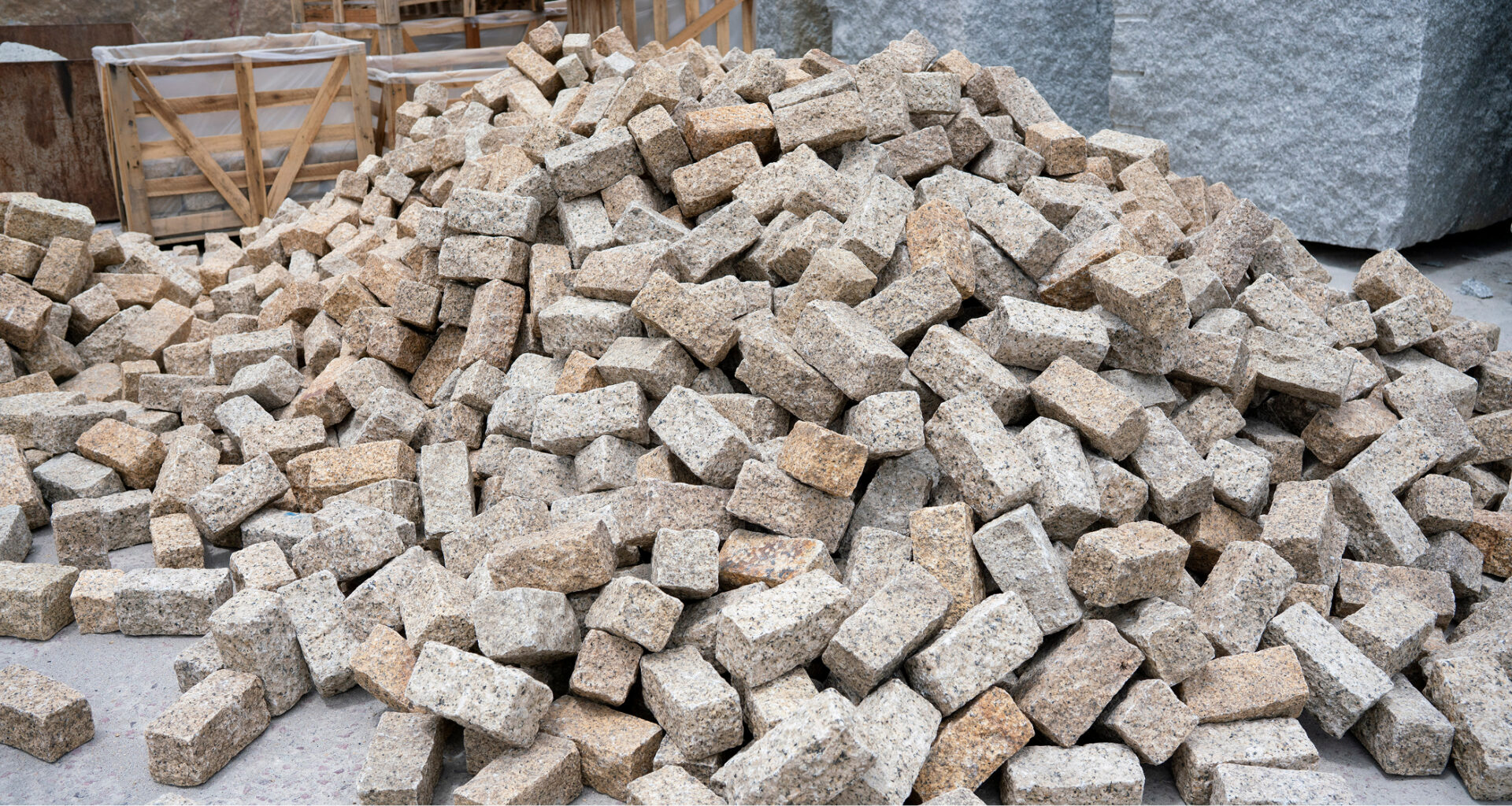
Granite pavers hold up well under heavy vehicle and foot traffic, which makes them a common choice for driveways, walkways, and curbing in both residential and municipal projects. Flamed and split-face finishes add texture and slip resistance underfoot, an important consideration anywhere the surface will get wet.
What Is Granite Used for in Cladding, Flooring, and Monuments?
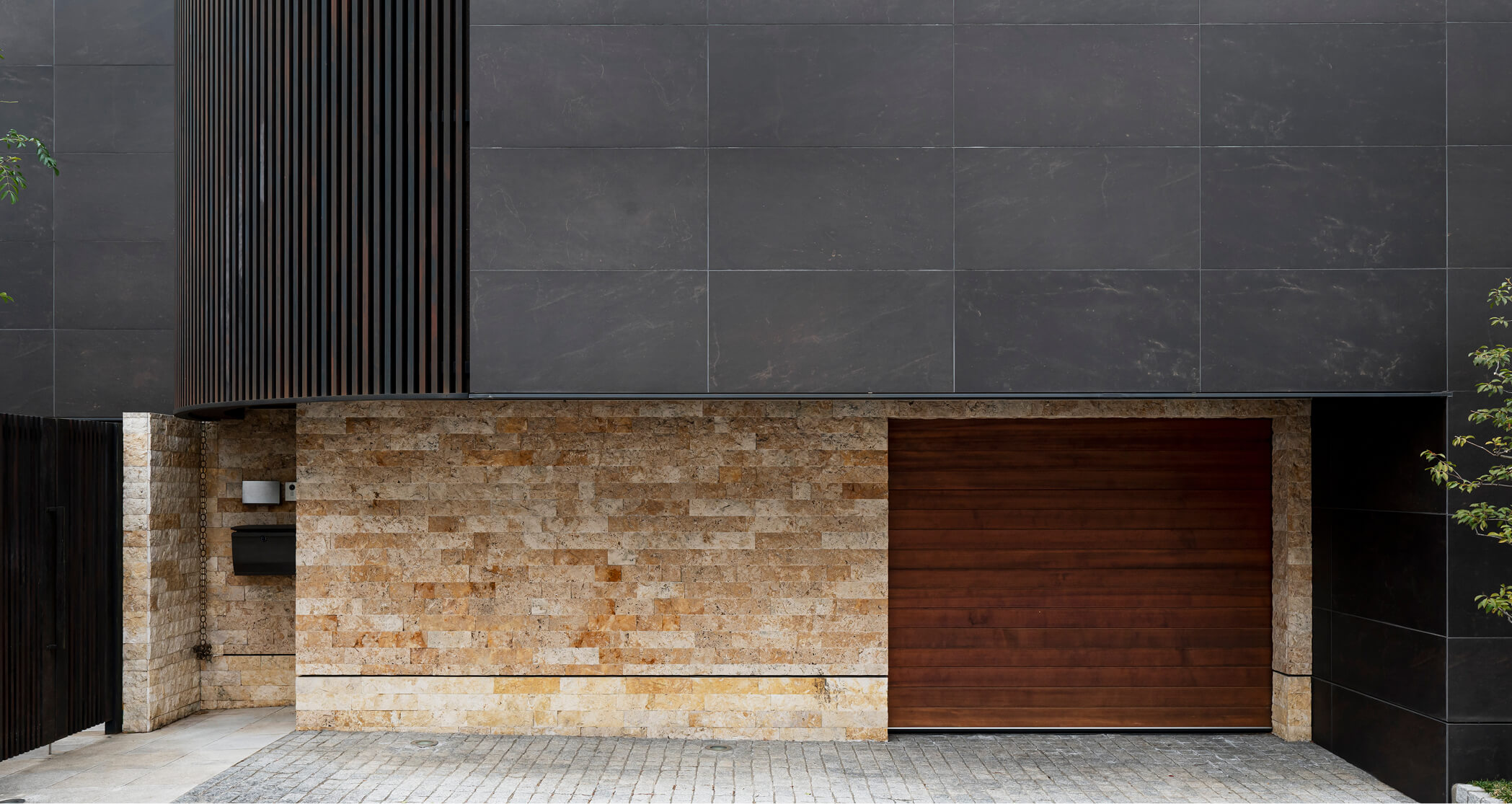
Granite slabs are widely used for building facades, interior and exterior flooring, and monuments and memorial stone, where long-term weathering resistance and a dignified, permanent appearance both matter. ASTM C615, the specification governing granite dimension stone, explicitly covers cladding, curbing, paving, structural components, and monuments as core applications.

How Much Does Granite Stone Cost?
Granite pricing depends heavily on the application, the color’s rarity, and whether materials alone or a fully installed project are being priced. Based on current U.S. market data:
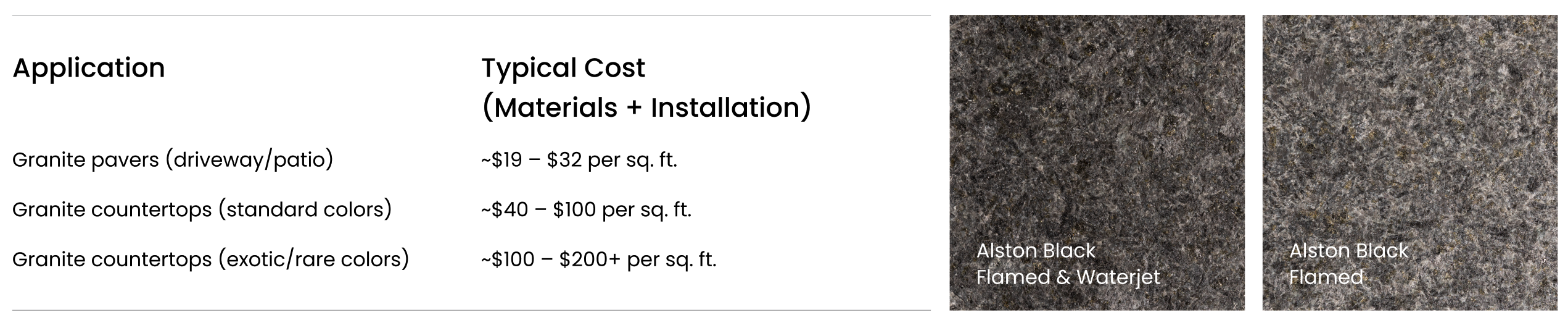
For comparison, mid-range granite countertops in 2026 typically run $55 to $175 per square foot installed once fabrication, cutouts, and delivery are factored in. The advertised slab price alone rarely reflects the real invoice. Because granite is quarried and fabricated to order, the most reliable way to get an accurate number for a specific project is to contact our team for current pricing based on the chosen color, finish, and application.
What Are the Different Granite Finishes?
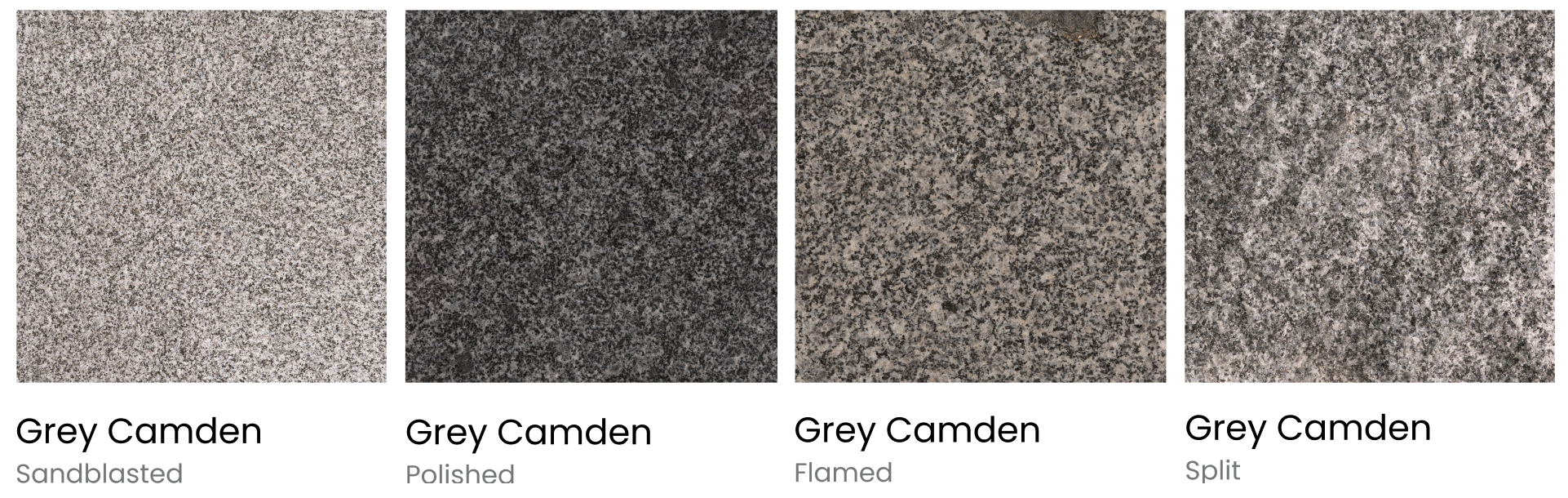
The finish chosen changes both the look and the real-world performance of granite, so it is worth selecting deliberately:
- Polished: A glossy, reflective surface that brings out the full depth of granite’s color and pattern. Popular for countertops and interior floors, though it offers less slip resistance outdoors.
- Honed: A smooth, matte, low-sheen surface. A common choice for interior floors and countertops where a softer look is preferred over high gloss.
- Flamed: Heat-treated to create a rougher, slip-resistant surface, a common choice for driveways, pool decks, and exterior paving.
- Split-Face: A naturally cleaved, rugged texture that showcases granite’s raw character. Popular for cladding, veneer, and accent walls.
Is Granite Stone Right for Your Project? (Pros and Cons)
|
Pros:
|
Cons:
|
How Do You Maintain and Seal Granite Stone?
Granite’s low porosity means it holds up well with minimal upkeep, but a penetrating sealer is still recommended for most countertops and exterior installations, both to guard against staining and to make everyday cleaning easier. Reapplication every one to three years is typical, depending on the specific granite’s porosity, traffic, and exposure. Day-to-day care is simple: spills should be wiped up promptly, a pH-neutral stone cleaner should be used rather than acidic or abrasive products, and cutting directly on polished granite surfaces should be avoided to keep the finish looking its best.
Where Does Granite Stone Come From?
Granite is quarried on every continent, but a handful of countries dominate global supply. Brazil is the world’s largest exporter and is especially known for exotic, dramatically patterned colors. India is the second-largest supplier and is prized for consistency and a wide color range. China is both a major domestic producer and the world’s largest processor and importer of raw blocks, and Italy, while more famous for marble, also produces refined granite varieties. The U.S. and Canada have their own granite reserves as well, historically used for monuments and civic buildings and, more recently, for landscaping and paving applications. Quarry origin affects not just color and pattern, but also lead time and shipping logistics. A supplier that controls quarrying and finishing directly tends to offer tighter quality control and more predictable delivery for large orders.
FAQ
Is granite stone good for driveways?
Yes. Its high compressive strength and low water absorption make it well suited to driveways, particularly with a flamed or bush-hammered finish for slip resistance.
Does granite need to be sealed?
Most granite benefits from a penetrating sealer, particularly for countertops and exterior installations, to guard against staining and simplify cleaning. Reapplication is typically needed every one to three years.
What is the difference between granite and basalt?
Granite is coarse-grained with a wide range of colors and dramatic patterns, formed from slow-cooling magma underground. Basalt is fine-grained and typically charcoal to black, formed from lava that cooled quickly at the surface. Granite tends to suit decorative and patterned applications, while basalt suits a clean, uniform, modern look.
Generally, yes. Granite is harder and far less prone to acidic etching and staining than marble, which makes it a more practical choice for kitchens, high-traffic floors, and exterior applications.
How much does granite paving cost per square foot?
Installed granite paving typically runs about $19 to $32 per square foot in the U.S., while granite countertops range from roughly $40 to $200+ per square foot depending on color and finish.
Conclusion & Next Steps
Earned through hardness, low absorption, and a clean, versatile appearance suited to both residential and large-scale commercial settings, basalt’s reputation is grounded in practical performance. Whether pavers are being specified for a public plaza, cladding for a building facade, or tile for an interior floor, the finish and quarry source selected will meaningfully affect both performance and cost.
Explore Reidstone’s granite finish gallery to view available colors and textures, browse our project gallery for completed installations, or contact our team to obtain current pricing and lead times for your project.
CONTACT OUR TEAM FOR PRODUCT INFORMATION, SAMPLES OR PRICING
