

Granite Supplier in Vietnam: A Buyer’s Checklist
Choosing a granite supplier in Vietnam takes more than comparing price lists. First, ask where the blocks come from and where the factory cuts and finishes them. Next, check licenses, block-specific test data, approved samples, and export packaging. Finally, confirm tariff and documentation rules for your market. This guide walks through each step, so you can compare suppliers on facts instead of promises. Contact our team if you’d like help vetting a specific factory.
Know What a Granite Supplier in Vietnam Can Offer
Vietnam has granite in several regions. Trade sources point to Binh Dinh, Phu Yen, Khanh Hoa, and Dak Nong, with grey, black, and red varieties among the most common. However, Vietnam is better known internationally for black basalt and Thanh Hoa bluestone. Granite is a solid product here, but the color range is narrower than Brazil or India offers.
Also, a 2026 market report describes Vietnam mainly as a processing and fabrication hub rather than a major crude extraction center. In practice, some factories cut and finish blocks from other countries. Neither model is wrong. You simply need to know which one you’re buying from.
Naming adds another wrinkle. Vietnam reorganized its provinces in 2025, so some origin names have changed. For example, suppliers now market Dak Nong basalt as Lam Dong basalt. Ask any supplier to list both the old and new origin names on quotes and certificates.
Verify Credentials Before You Request a Quote
Start with the basics. Ask every granite supplier in Vietnam for these documents:
- A business registration certificate that matches the company name on the quote
- A mining license and environmental compliance documents, if the company claims to own a quarry
- Shipping records or references for exports to your country
- A quality management certificate, such as ISO 9001, if the supplier advertises one
Then ask a direct question: “Do you own the factory, rent production capacity, or trade?” Honest suppliers answer plainly. Trading companies can still serve you well, but you should know who actually controls quality. Finally, request a live video tour of the factory floor. A real facility shows up on camera in minutes.
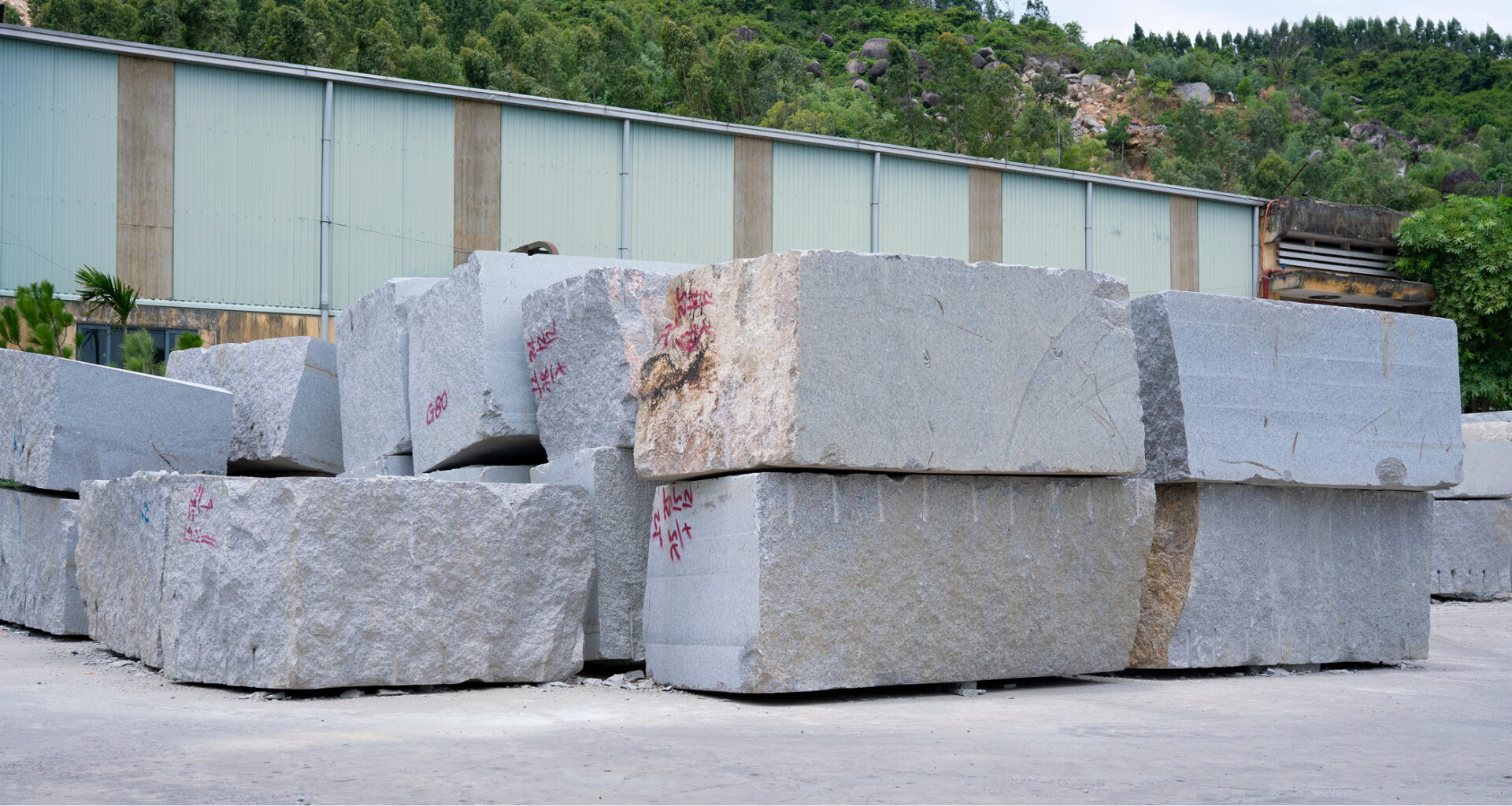
Trace the Block: Quarry, Cutting, and Finishing
Next, ask three origin questions. Which quarry and region supplied the block? Who cut the slabs or pavers, and where? Who applied the finish? These answers matter for three reasons.
Color consistency. Blocks from different quarries rarely match. Mixing them in one order creates visible patchwork on site.
U.S. tariffs. Trade advisers report that the U.S. now applies an additional 12.5% Section 301 duty to most Vietnam-origin goods, effective July 24, 2026. A separate 40% penalty applies to goods that customs officials determine were routed through Vietnam to disguise their origin. A supplier who cannot document the block’s origin puts your shipment at risk.
Canada and CPTPP. Canada and Vietnam are both CPTPP members. To claim preferential duty, importers need a certification of origin, and the goods must meet the rules of origin. Whether a given granite product qualifies depends on its tariff line and where the stone was processed.
Tariff rules change often. Therefore, confirm current rates and origin rules with a licensed customs broker before you order.
Ask for Block-Specific Test Data
Brochure ranges don’t prove anything. Instead, request lab reports for the actual block or batch you’re buying. At minimum, ask for these ASTM results:
- C97: water absorption and density
- C170: compressive strength
- C880: flexural strength
- C241: abrasion resistance
Granite also has its own dedicated specification, ASTM C615, so suppliers can cite compliance directly. Check that each report shows a date, a block or batch ID, and the testing laboratory’s name. For a deeper look at what each test means, read our guide to ASTM testing standards for basalt and granite.
Approve Samples and Fix the Tolerance in Writing
Samples protect you from the most common complaint in stone imports: “It doesn’t match what I approved.” To use them well, follow these steps:
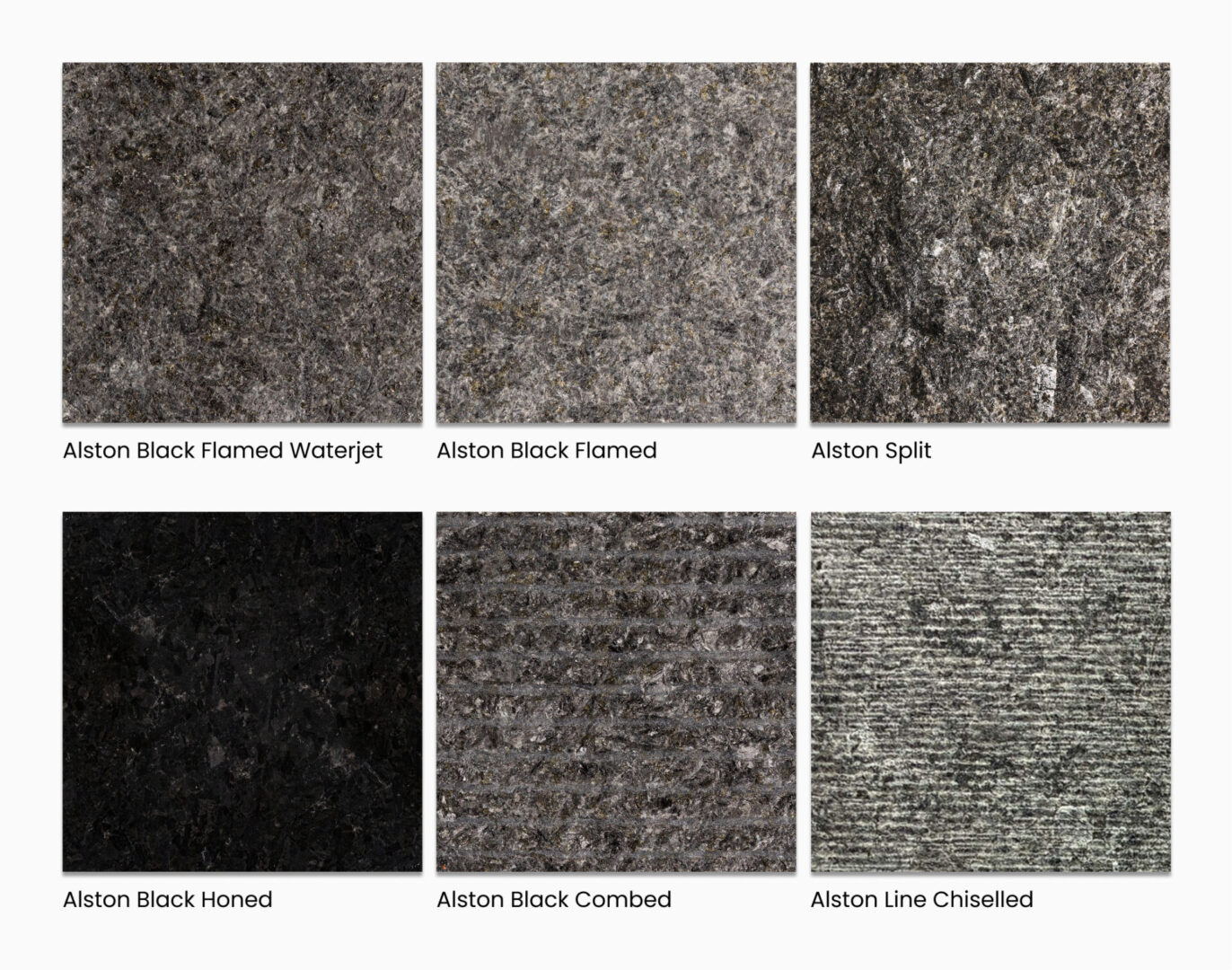
- Request samples in the exact finish you plan to buy, such as flamed, honed, or bush-hammered.
- Keep one sealed “golden sample,” and ask the supplier to keep an identical one.
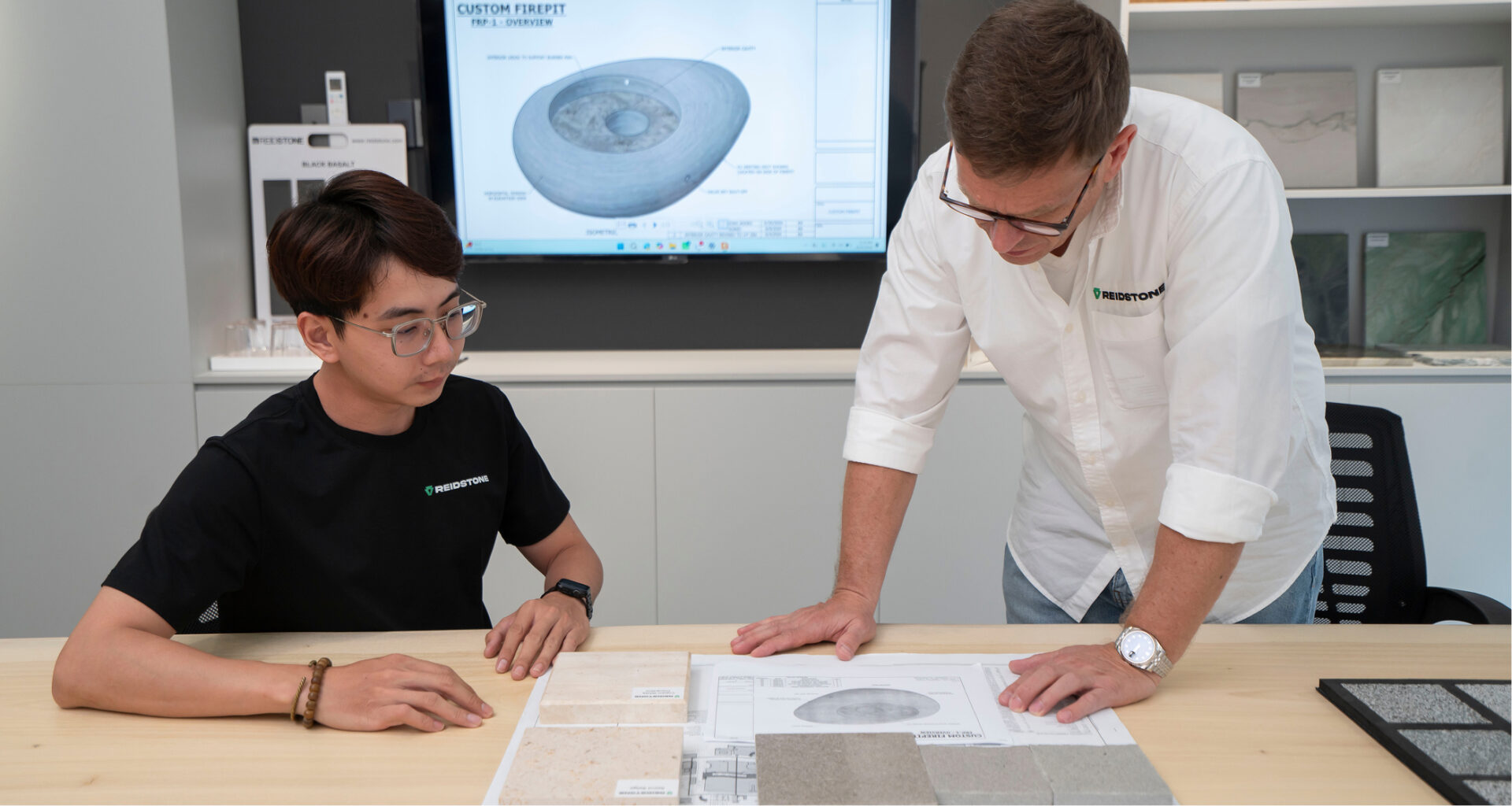
- Agree on an acceptable color and veining range, using photos from at least three different blocks.
- Put dimensional tolerances in the contract, including thickness and flatness.
- Require photos or video of your actual order before it ships.
Natural variation is normal. The goal is to define how much variation you’ll accept before production starts, not after the container lands.
Review Factory Capacity and Quality Control
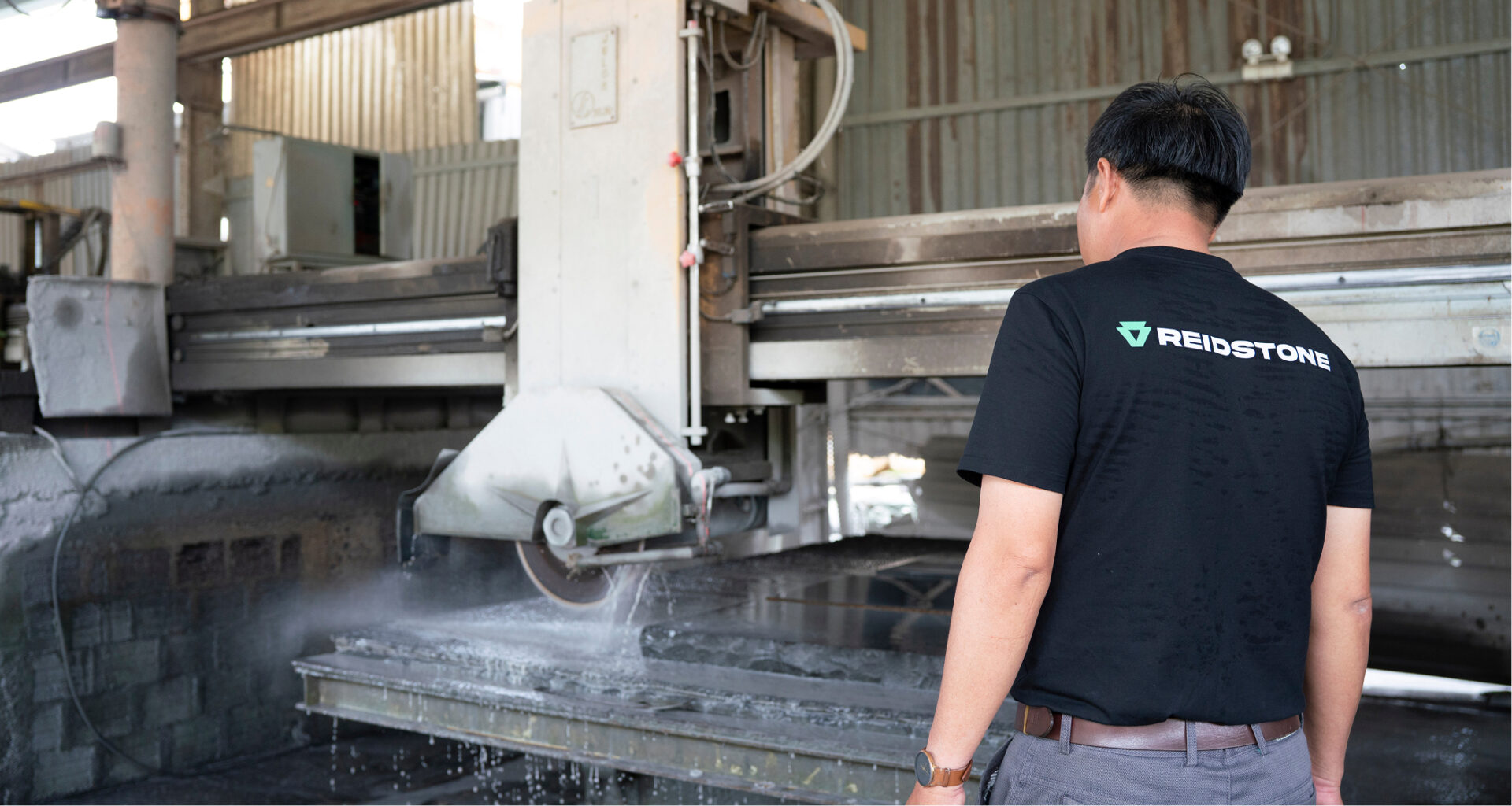
Capacity claims deserve scrutiny. Ask how many square meters the factory finishes each month, and compare that figure with your order size. Also check which finishing lines the factory runs in-house. Flaming, bush-hammering, and waterjet cutting each need different equipment.
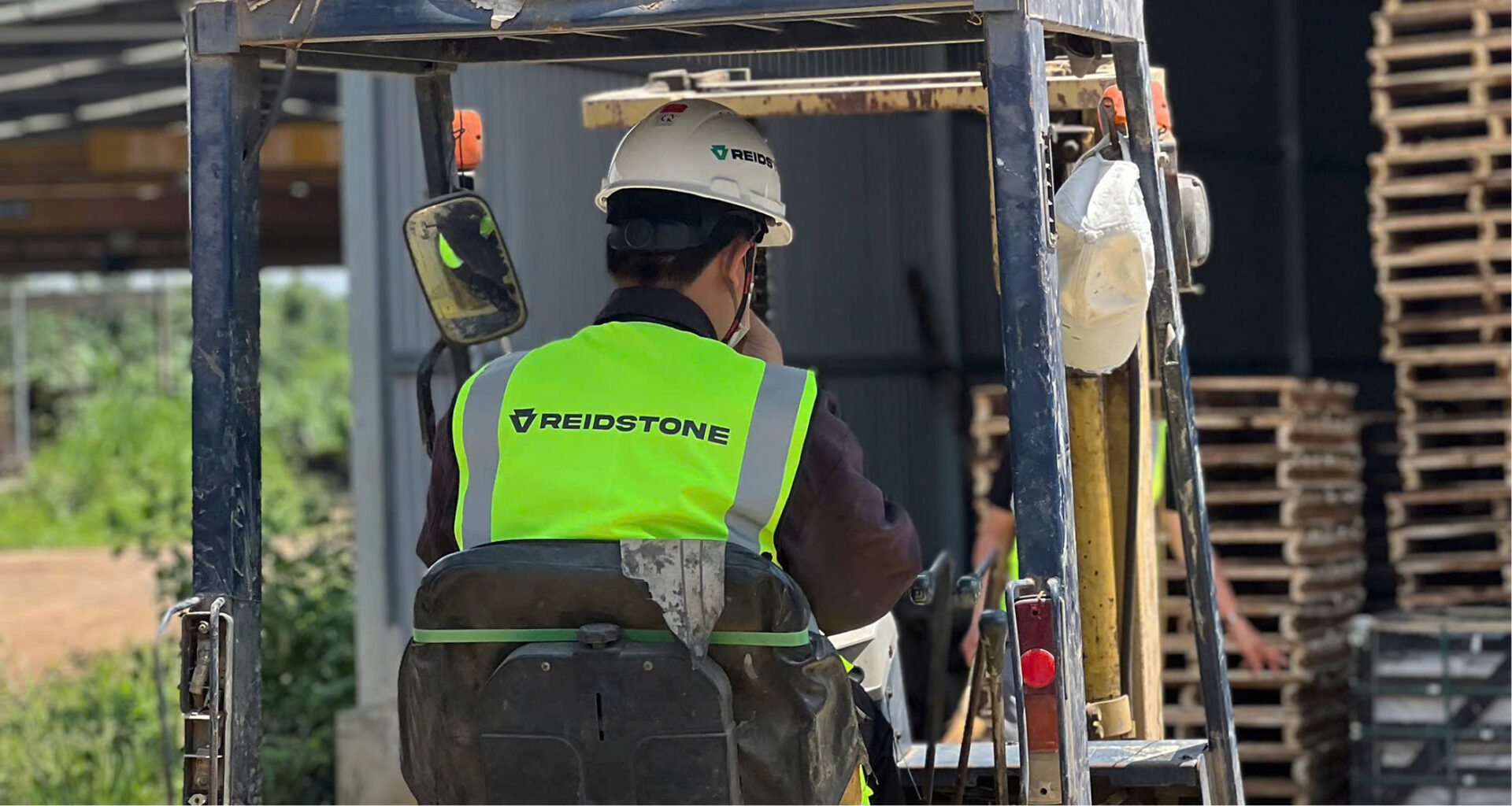
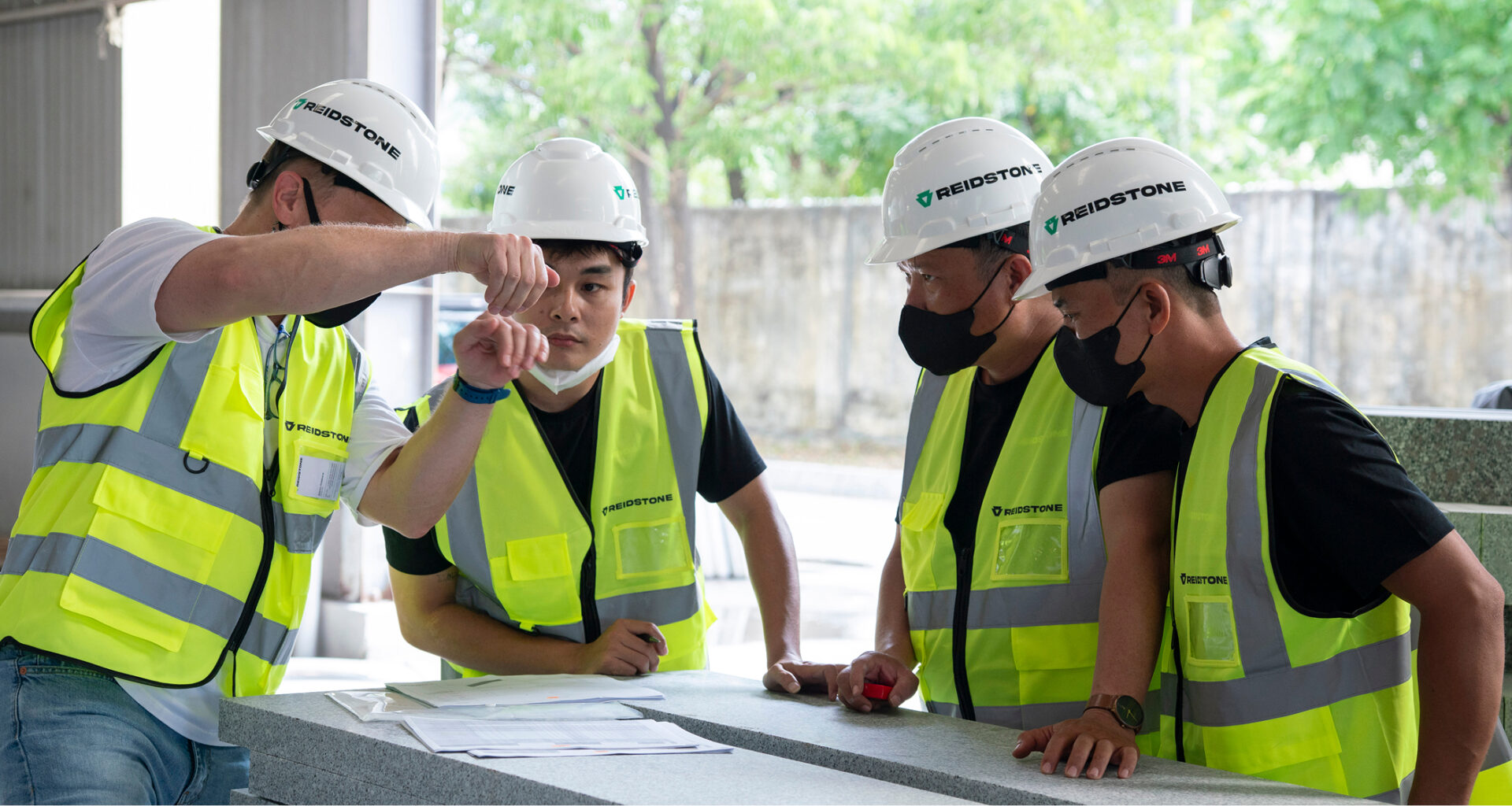
Then ask how quality control works. A reliable factory inspects in-process, not just at the end. It also has a clear process for rejecting and replacing defective pieces. For first orders, consider hiring a third-party inspector to verify dimensions, finish, and packing before shipment. Our factory inspection and quality control services cover exactly this step.
Finally, build in schedule buffer. Typhoon and heavy-rain months in central Vietnam can slow inland trucking and port handling.
Check Packaging and Export Handling
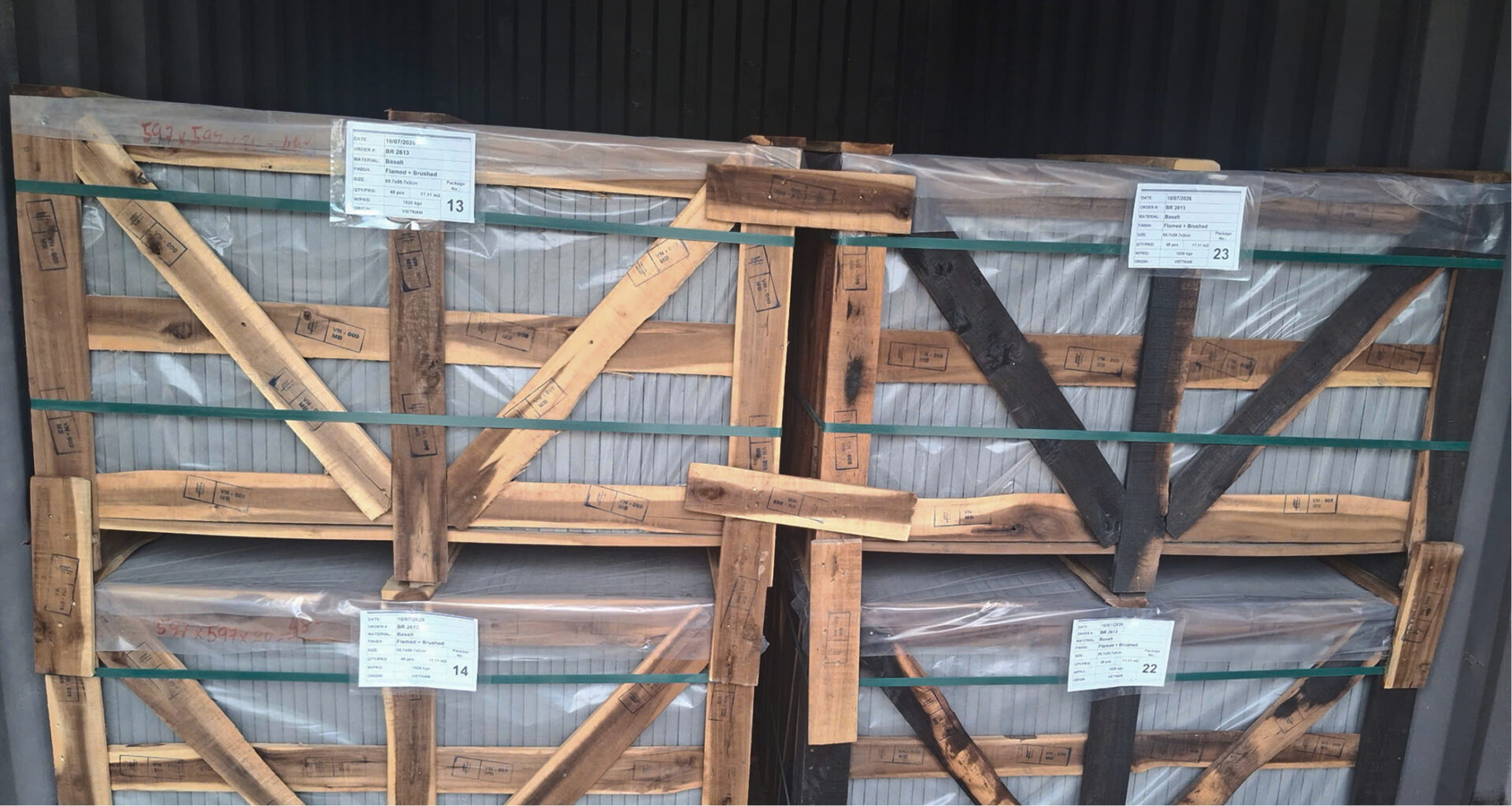
Stone is heavy and breakable, so packaging deserves its own checklist. First, confirm that all solid-wood crates and pallets meet ISPM 15. The USDA states that importers must ensure wood packaging is heat-treated or fumigated and carries the ISPM 15 mark. Non-compliant crates can trigger rejection, re-export, or destruction at your expense. Ask for photos of the stamps before loading.
Next, review the crating design. Look for edge protection, secure strapping, and a written container loading plan. Then confirm the port. Cai Mep–Thi Vai, near Ho Chi Minh City, offers direct deep-sea services to North America and Europe. Granite from central Vietnam often ships through Quy Nhon instead, or travels south by truck. Each route changes your transit time and inland cost.
Compare Commercial Terms, Not Just Unit Prices
A low unit price can hide expensive gaps. Compare these items side by side:
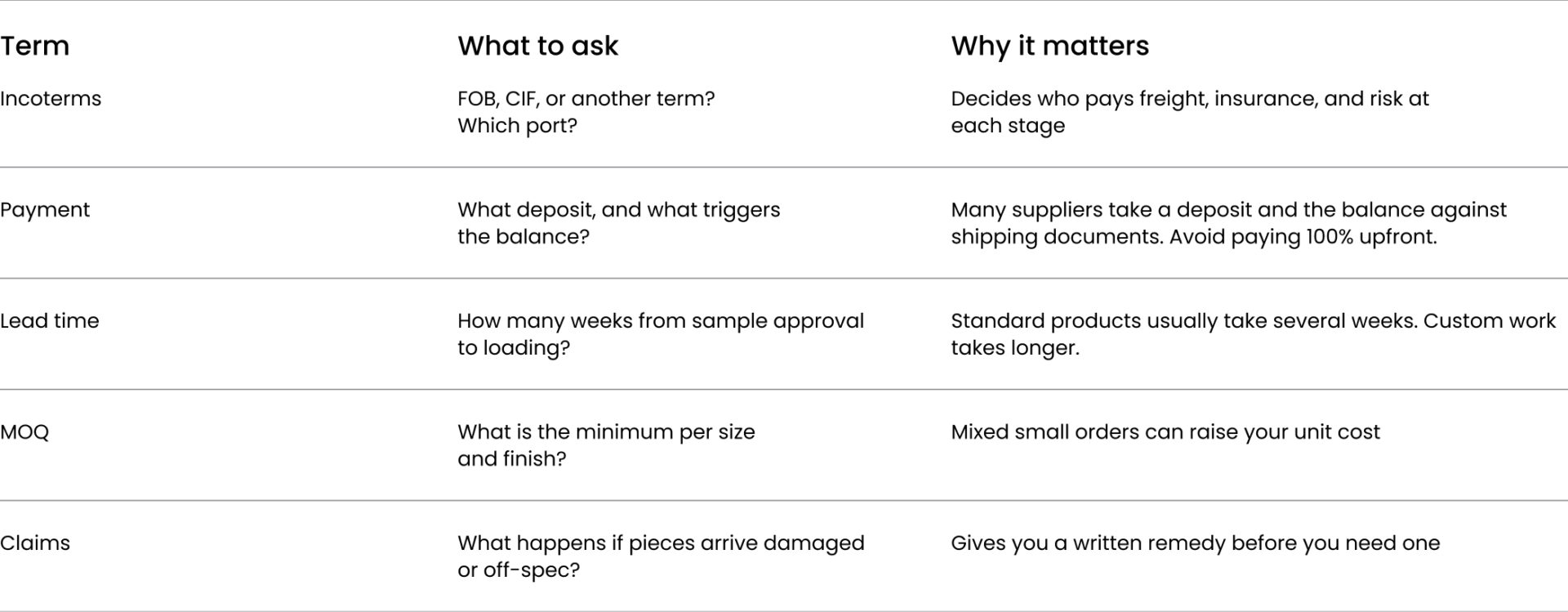
Red Flags When Choosing a Granite Supplier in Vietnam
Walk away, or slow down, if you see any of these signs:
- A price far below every other quote
- Refusal to name the quarry or the factory
- Samples that look different from production photos
- Test reports with no date, block ID, or lab name
- Origin claims that change from email to email
- Pressure to prepay the full amount
- No clear answer about ISPM 15 crate stamps
How Reidstone Helps
Reidstone sources and processes granite across Vietnam. We select blocks from vetted quarry partners, oversee cutting and finishing, and inspect factories before production starts. Our team checks quality before every shipment and manages packing, documentation, and container loading. As a result, you work with one accountable team instead of five separate vendors. Browse our granite range or contact our team to discuss your project.
FAQ
Is Vietnam a good source for granite?
Yes, especially for dark grey, black, and red granite, plus finishing work. The color range is narrower than Brazil or India offers. Vietnam’s strongest stones internationally are black basalt and bluestone.
What documents should a granite supplier provide?
Expect a commercial invoice, packing list, certificate of origin, lab test reports, and photos of ISPM 15 crate stamps. Custom orders also need approved samples and written tolerances.
How long does production take?
Standard products typically take about four to six weeks. Custom sizes, special finishes, and large volumes take longer, so confirm the schedule before you order.
Which port should I use?
Cai Mep–Thi Vai offers direct services to North America and Europe. Central Vietnam granite often ships from Quy Nhon. Your forwarder can compare transit times and costs.
Do U.S. tariffs make Vietnamese granite uncompetitive?
Not automatically. Compare landed cost, not just the factory price, and include duties, freight, and risk. Because rates change, confirm them with a customs broker.
Conclusion & Next Steps
The best granite supplier in Vietnam proves its claims with documents, samples, and clear origin records. Verify credentials first. Then trace the block, demand block-specific test data, and lock tolerances in writing. Finally, check packaging, port, and terms before you pay a deposit.
Explore Reidstone’s granite range or contact our team for supplier vetting, factory inspections, and export support.
CONTACT OUR TEAM FOR PRODUCT INFORMATION, SAMPLES OR PRICING
