How does Classic Travertine compare in durability to granite or basalt cobblestone?
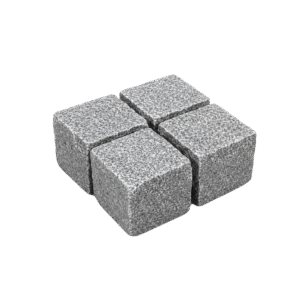
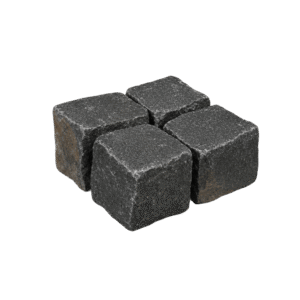
Travertine is naturally softer and more porous than granite or basalt, with compressive strength of approximately 56 MPa and water absorption around 5.06%, compared to the much lower absorption of granite or basalt options. It performs beautifully for its intended look but requires sealing for exterior use.
Does Classic Travertine need to be sealed?
Yes. Because of its higher natural porosity, sealing is recommended for any exterior installation to protect against staining and support frost resistance in colder climates. Once sealed, Classic Travertine performs reliably for patios, pathways, and pool surrounds year-round.
What finish options are available for Classic Travertine?
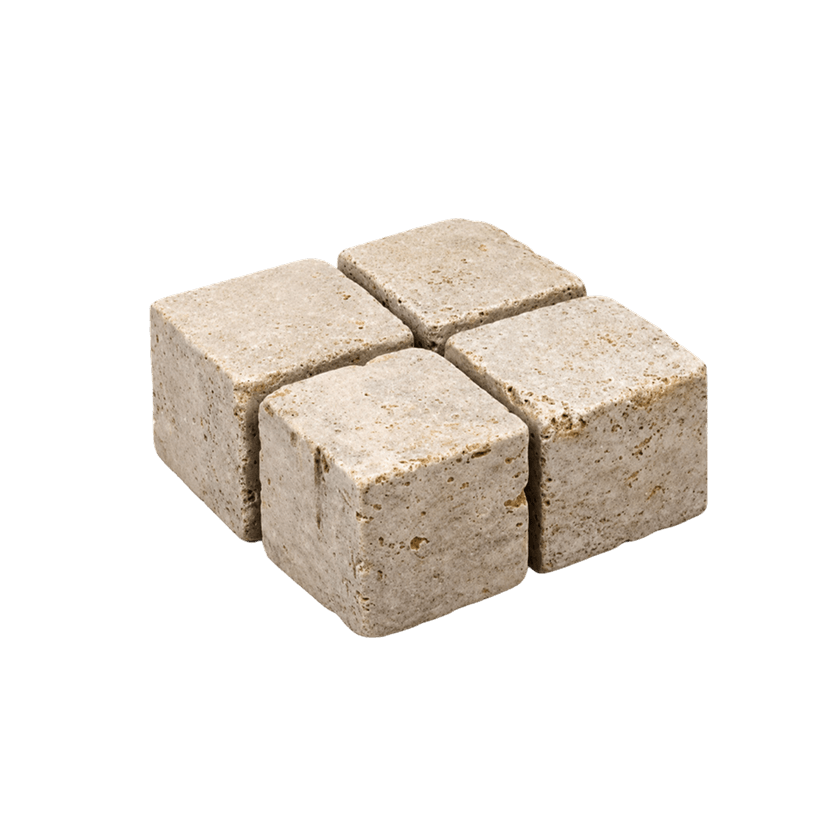
Classic Travertine is available in tumbled, honed, brushed, bush-hammered, or antique finishes, each offering a slightly different texture while maintaining slip resistance underfoot. Tumbled and brushed finishes are especially popular for achieving a rustic, mediterranean-inspired look and feel.
Where does Classic Travertine come from?
Classic Travertine is sourced primarily from Turkey, with additional supply from Morocco. It's also known in the trade as Classic Travertine, Travertino Classico, or Klasik Traverten, depending on the specific source region and market it's sold into.
What is Classic Travertine best used for?
Its warm beige-to-cream tone and soft ivory veining make Classic Travertine a popular choice for patios, pool surrounds, garden paths, and pathways where a rustic, Mediterranean aesthetic is desired. It suits lower-traffic decorative applications better than the heavy vehicular use suited to granite or basalt.