

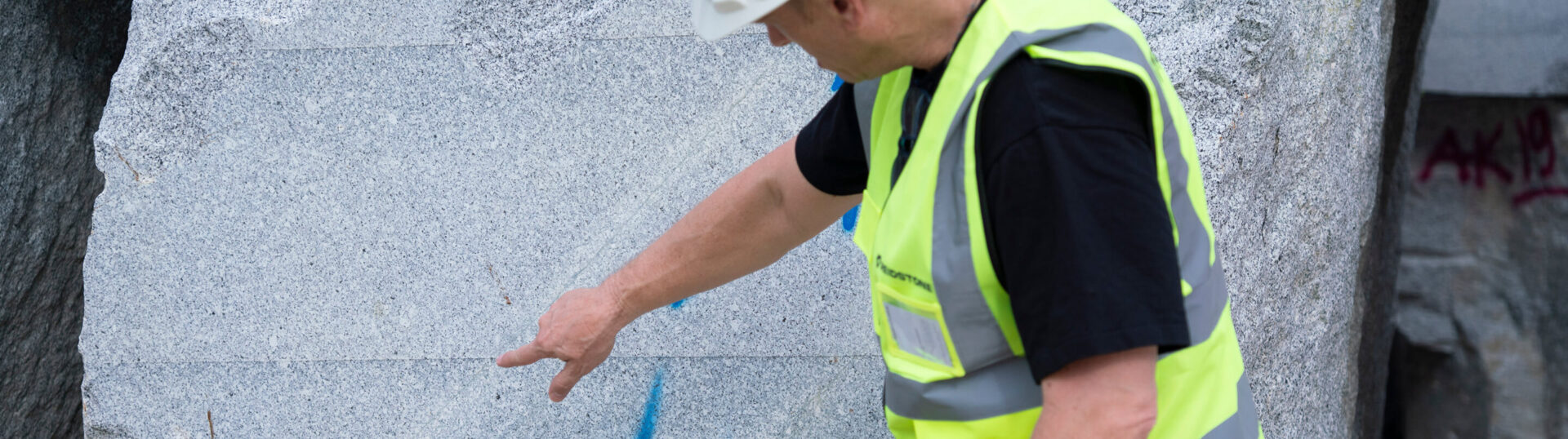
What Quality Control Includes
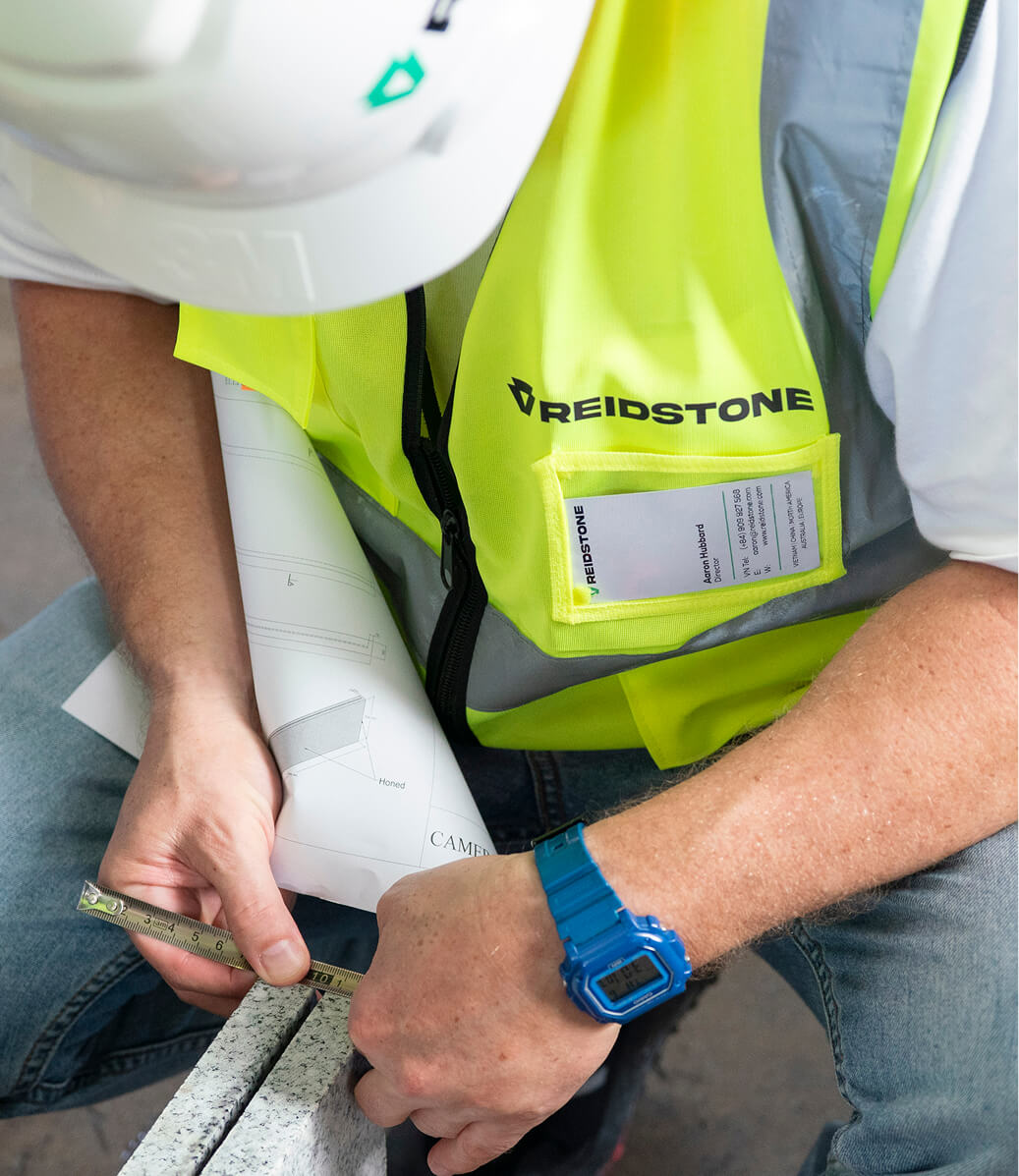
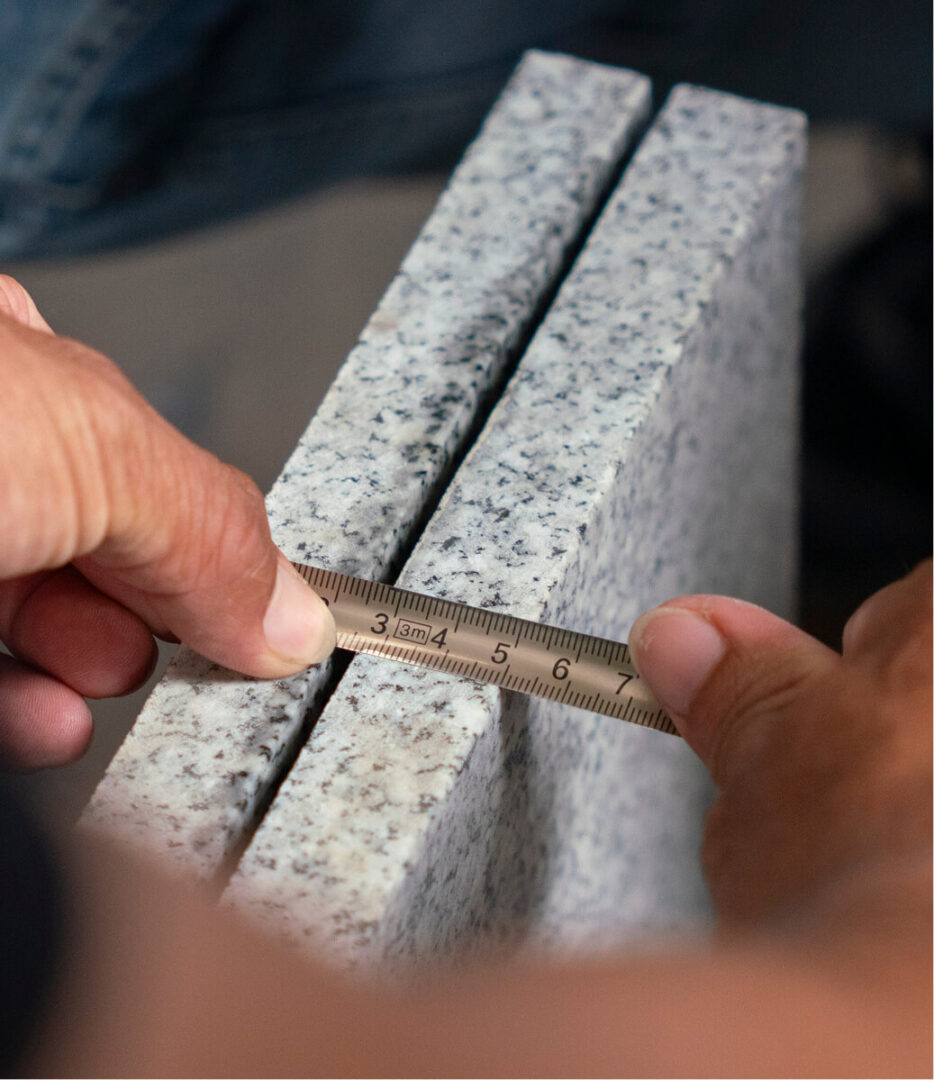
Our quality control process runs across the production timeline rather than as a single end-of-line check. It includes verifying that dimensional tolerances match the agreed specification, confirming finish consistency (polished, honed, flamed, and other treatments) across the full order, checking color and tonal consistency within the natural variation expected of a given stone, and inspecting packaging to confirm it meets the standard required for the shipment’s destination and transit method.
For orders with specific technical requirements, for instance, a particular compressive strength, water absorption threshold, or ASTM-referenced specification, quality control also includes verifying results against those requirements using certified test data rather than general industry averages.
 |
 |
Why Quality Control Matters
For importers sourcing from overseas, the single biggest fear is receiving a container that doesn’t match what was ordered or shown in samples, wrong dimensions, inconsistent finish, mismatched color, or damaged product that wasn’t caught before shipping. Once that container has left port, correcting the problem is slow, expensive, and sometimes impossible without a full re-order.
Rigorous quality control shifts that risk back to where it’s cheapest to fix: before the shipment leaves. It also gives clients something concrete to point to with their own customers: All verified, documented quality rather than a supplier’s word alone.
How Our Quality Control Process Works
- Specification confirmation. We confirm the agreed dimensions, finish, color range, and technical requirements before production begins.
- In-process checks. Products are inspected at key production stages rather than only at the end, catching issues before they compound across a full order.
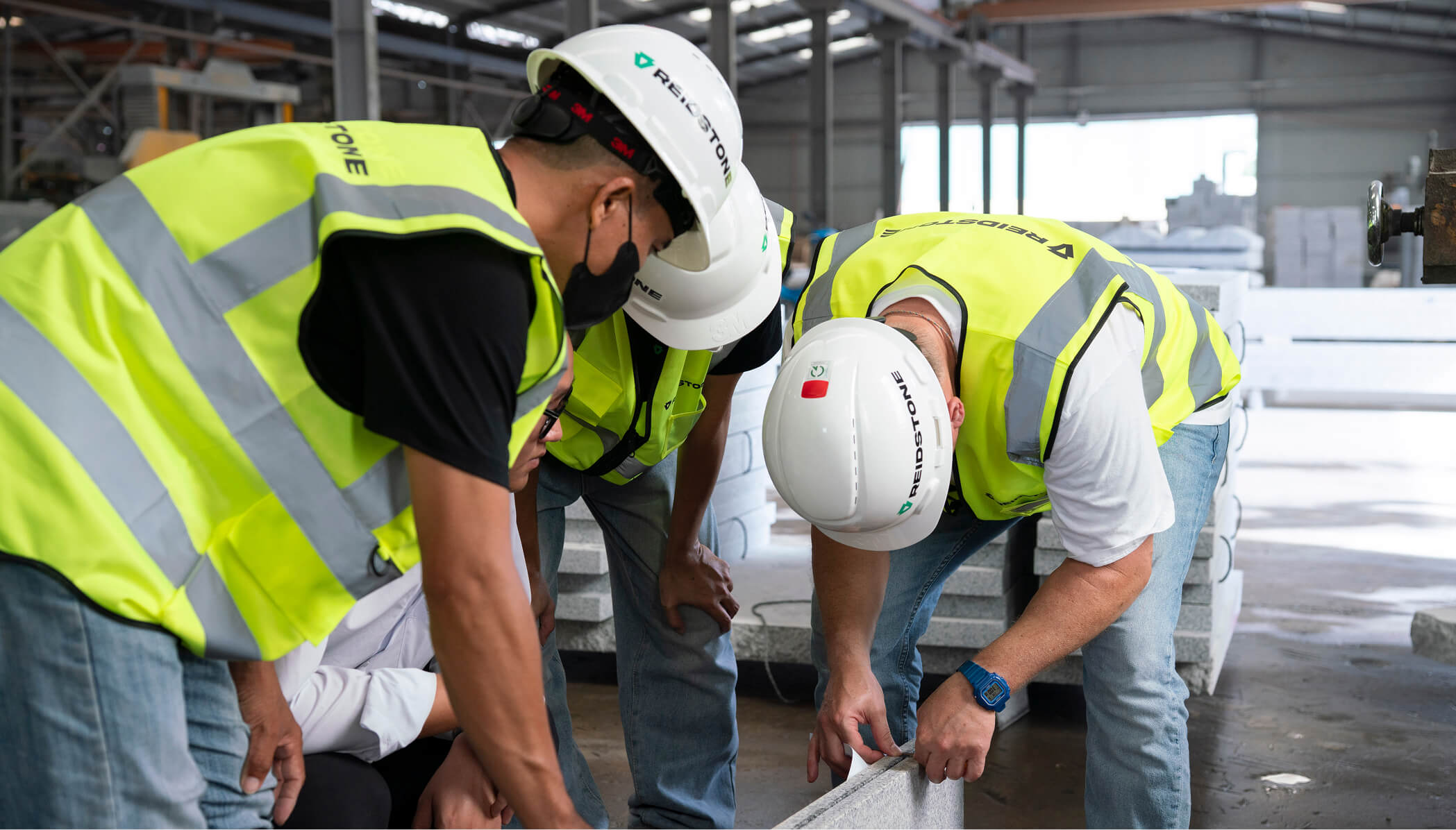
- Pre-shipment inspection. Every order undergoes a final inspection for dimensional accuracy, finish consistency, and surface defects before export.
- Packaging verification. Packaging is checked against the requirements for the shipment’s destination and transit method.
- Documentation and photo/video verification. Clients can request photos or video of their actual order before it ships, for remote verification.
Who This Service Is For
Quality Control matters most to importers and wholesalers who can’t inspect stone in person before it leaves the country of origin, architects and specifiers who need documented compliance for a project’s technical requirements, and any buyer who has previously received a shipment that didn’t match what was ordered.
Signs You Need This Service
A few situations point clearly to the need for more rigorous quality control:
- A past shipment didn’t match the sample. Color, finish, or dimensions differed noticeably from what was originally approved before the order was placed.
- Sourcing from a new, unfamiliar factory. You don’t yet have a track record with a production partner and want independent verification rather than relying on their own self-reported quality claims.
- Specification-critical projects. Your project has documented technical requirements such as compressive strength, water absorption, ASTM compliance. Those need to be verified, not assumed.
- Inability to inspect in person. You can’t travel to inspect the order before it ships and need confidence that someone reliable is checking it on your behalf.
- Customers who expect documentation. Your own clients or regulatory requirements expect verifiable quality assurance, not just a supplier’s word.
Rigorous quality control matters most exactly when you can’t verify a shipment yourself before it leaves the factory.
How This Differs from Factory Inspections
Quality Control happens during and after production, verifying the actual products in a specific order against the agreed specification. Factory Inspections happen before production begins, evaluating whether a manufacturing partner’s facility, equipment, and processes meet the standards needed to produce reliably in the first place. Put simply: Factory Inspections vet the partner; Quality Control vets the product. Both matter, but they answer different questions at different points in the process.
Get Started
If verified quality matters for your next order, especially for a first shipment from a new source – contact our team to discuss the inspection standards and documentation available for your specific project.
What “Consistent” Actually Means for Natural Stone
Natural stone quality control is a slightly different exercise than manufactured-product quality control, since natural variation is expected and often desirable – no two quarry blocks are identical, and buyers generally understand that. The job of quality control isn’t to eliminate natural variation; it’s to make sure that variation stays within the range a client actually approved, rather than drifting beyond it unnoticed across a large order.
That distinction matters in practice. A shipment where every piece shows slightly different natural veining, but all within the tone range of the approved sample, has passed quality control successfully. A shipment where a meaningful portion of pieces fall outside that approved range (too light, too dark, or a different finish entirely) has not, regardless of how attractive any individual piece looks on its own.

FAQ
What documentation is typically required for a natural stone export shipment?
Depending on the issue, this can mean re-sorting a shipment to remove out-of-tolerance pieces, requesting rework from the production partner, or in some cases delaying shipment until the order genuinely meets specification.
Can I request an independent quality inspection in addition to your internal checks?
Yes. For clients who want additional assurance, we can coordinate third-party inspection alongside our internal quality control process, particularly for large or first-time orders.
How do you verify color consistency for a natural material with inherent variation?
We compare shipments against an approved sample or documented color range agreed upon before production, allowing for natural variation while catching pieces that fall genuinely outside that range.
CONTACT OUR TEAM FOR PRODUCT INFORMATION, SAMPLES OR PRICING
